


Sodium Ascorbyl Phosphate: A Potent Cosmetic Ingredient Unveiled
What is Sodium Ascorbyl Phosphate?
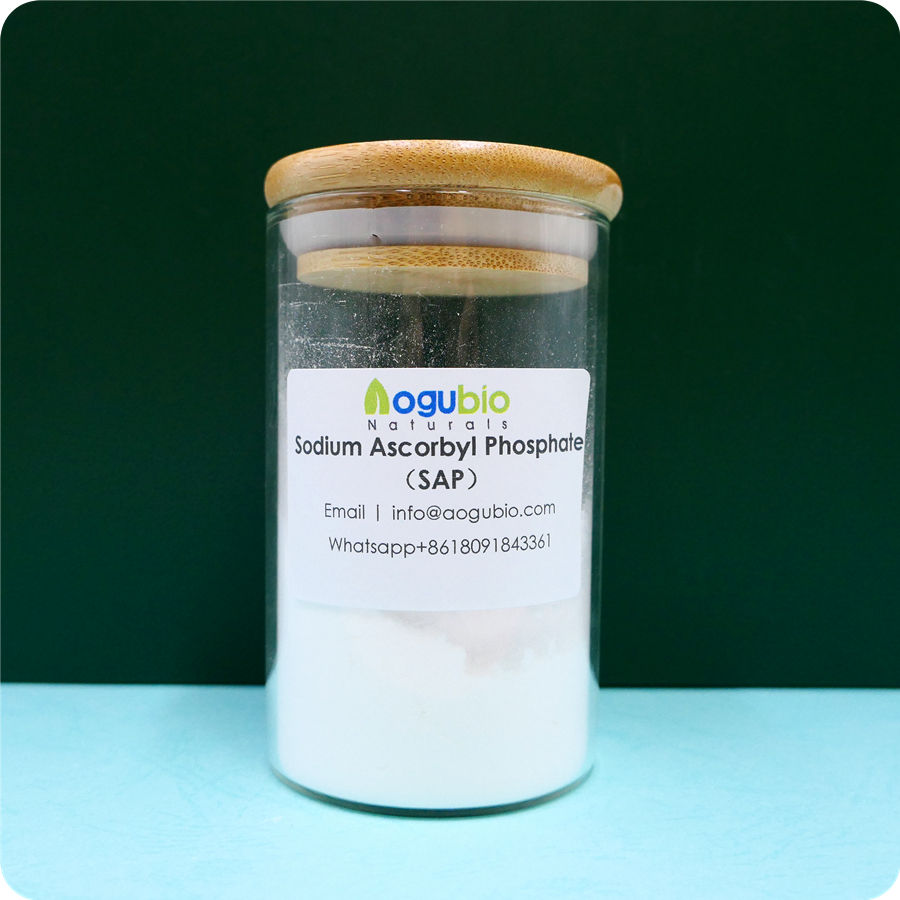
Sodium Ascorbyl Phosphate (SAP) is a water - soluble derivative of Vitamin C, also known as L - ascorbic acid, 2 - (dihydrogen phosphate), trisodium salt. It is a synthetic compound that has been designed to overcome some of the challenges associated with using pure vitamin C in cosmetic formulations. Vitamin C is well - known for its antioxidant properties, but it is also highly unstable and prone to oxidation, which can reduce its effectiveness and cause discoloration in products. SAP, on the other hand, is much more stable, making it an ideal choice for use in a wide range of cosmetic products.
 |  |
Properties of Sodium Ascorbyl Phosphate
Stability
One of the key advantages of SAP is its stability. According to research, it is more stable than other forms of vitamin C derivatives such as magnesium ascorbyl phosphate (MAP), ascorbyl palmitate, and ascorbic acid itself. This stability allows for a longer shelf - life of cosmetic products containing SAP, ensuring that consumers can enjoy the benefits of the ingredient over an extended period. For example, while ascorbic acid may degrade quickly when exposed to air, light, or heat, SAP remains relatively unchanged under the same conditions.
Solubility
Being water - soluble, SAP can be easily incorporated into aqueous - based cosmetic formulations such as serums, lotions, and creams. This solubility also enables better penetration into the skin, as water - soluble ingredients can more readily interact with the water - rich environment of the epidermis. In contrast, oil - soluble vitamin C derivatives may have limitations in terms of how well they can be absorbed by the skin's outer layers.
pH Requirements
Unlike its parent compound ascorbic acid, which prefers acidic environments, SAP functions optimally at a pH of around 6 - 7. This makes it suitable for use in a broader range of cosmetic products, as many formulations are designed to have a neutral to slightly acidic pH to match the skin's natural pH. For Sensitive Skin types, the milder pH requirements of SAP can be a significant advantage, as it reduces the likelihood of irritation.
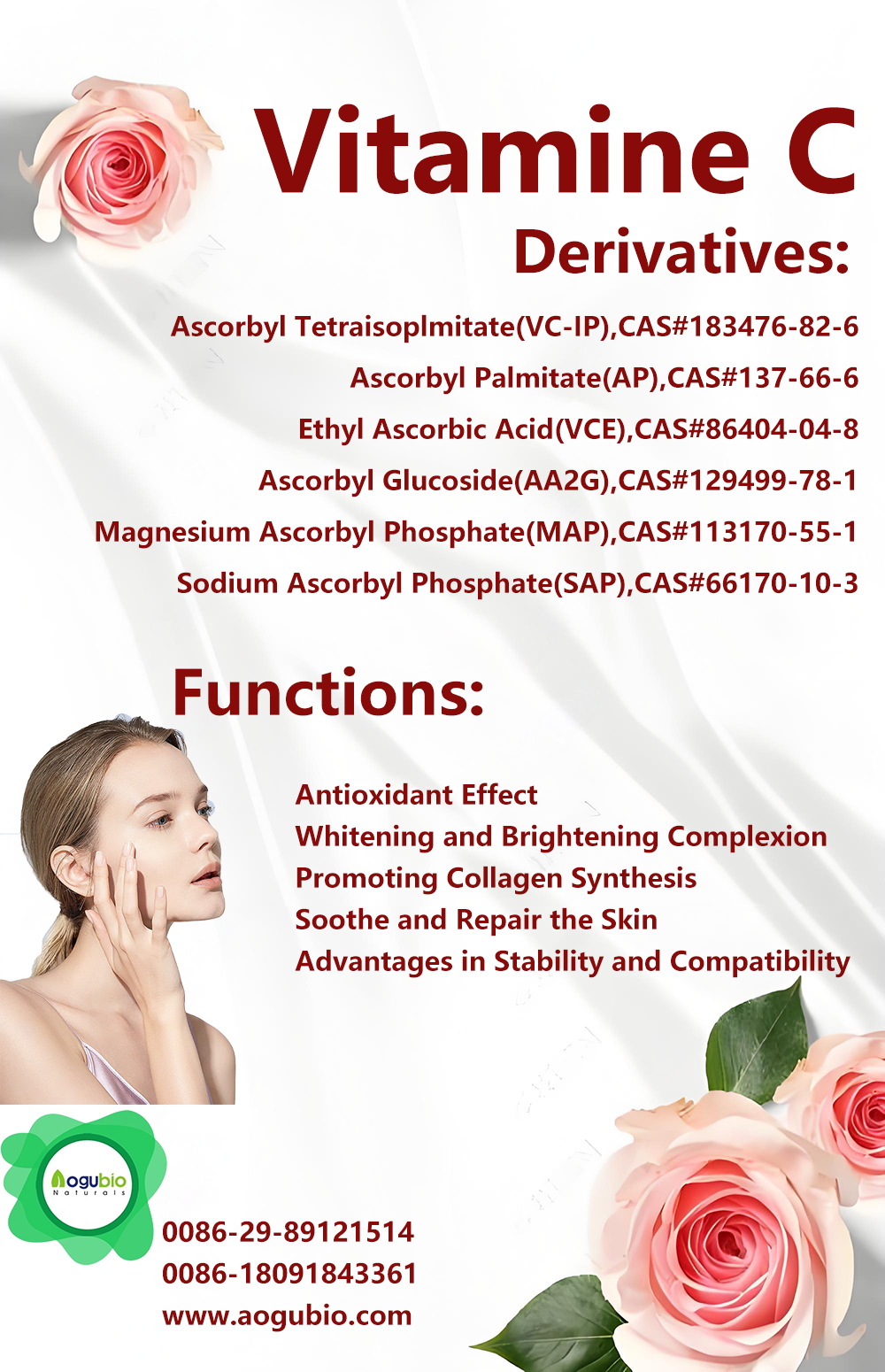
Benefits of Sodium Ascorbyl Phosphate in Cosmetics
Frequently Asked Questions about Sodium Ascorbyl Phosphate
Q1:Is Sodium Ascorbyl Phosphate safe for all skin types?
SAP is generally considered safe for all skin types, including sensitive skin. Its relatively neutral pH and low irritation potential make it suitable for those with more delicate skin. However, as with any new cosmetic ingredient, it is recommended to perform a patch test before using a product containing SAP extensively.
Q2:How much Sodium Ascorbyl Phosphate should be in a product to be effective?
The concentration of SAP in cosmetic products can vary. In some studies, a 1% concentration has shown significant antimicrobial effects against acne - causing bacteria. For antioxidant and anti - aging benefits, concentrations between 0.2% to 3% are commonly used in commercial products. However, the optimal concentration may depend on the specific product formulation and the skin concern being addressed.
Q3:Can Sodium Ascorbyl Phosphate be used during pregnancy or breastfeeding?
While SAP is generally considered safe, pregnant and breastfeeding women should always consult their healthcare provider before using new cosmetic products. Although there is no specific evidence suggesting that SAP is harmful during these periods, it's better to err on the side of caution.
Q4:Does Sodium Ascorbyl Phosphate interact with other skincare ingredients?
SAP is generally compatible with many common skincare ingredients. However, it may not work well with highly acidic ingredients, as its optimal pH range is around 6 - 7. It can be effectively combined with ingredients like hyaluronic acid, niacinamide, and various plant extracts to create synergistic effects.
Conclusion
Sodium Ascorbyl Phosphate is a versatile and effective ingredient in the world of cosmetics. Its stability, antioxidant properties, anti - aging benefits, and ability to address various skin concerns make it a popular choice among both consumers and cosmetic formulators. As the market continues to evolve, driven by consumer demand for natural - derived, clean, and effective ingredients, SAP is likely to play an even more prominent role. With ongoing research and formulation innovations, we can expect to see this ingredient being used in new and exciting ways, further enhancing the performance and effectiveness of cosmetic products. Whether you're looking to fight signs of aging, brighten your skin, or manage acne, Sodium Ascorbyl Phosphate may just be the ingredient your skincare routine has been missing.
- Shirley Hao
- Sales08@aogubio.com
- +86 18066913971