Leave Your Message
Premium Cosmetic Ingredient

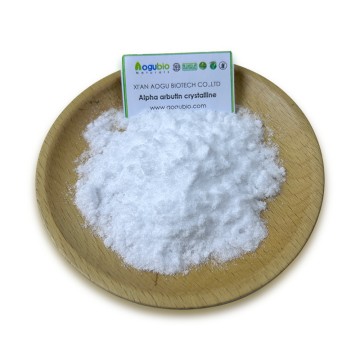
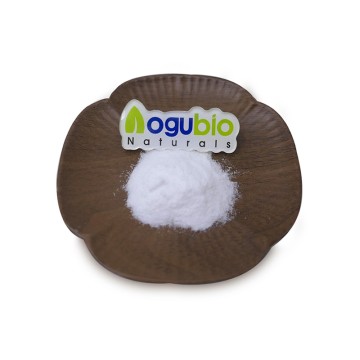
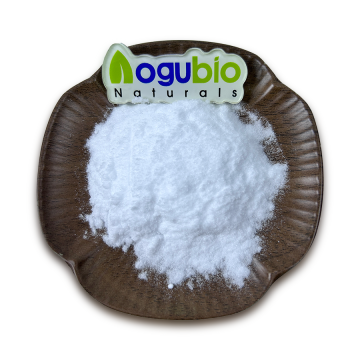
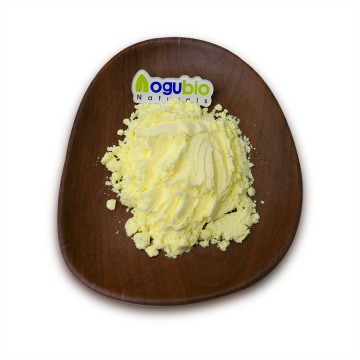
Alpha Arbutin For Skin Care & Personal Care Product

Advanced skin-brightening science meets sustainable cosmetic innovation — trusted by formulators worldwide for superior efficacy and safety.

Alpha Arbutin & Related Skin Care Actives

Explore our flagship brightening and anti-aging active ingredients, engineered for high-performance personal care formulations.

What Is Alpha Arbutin? The Science Behind the Glow

A comprehensive look at the most sought-after skin-brightening active in modern cosmetic science.

Alpha Arbutin (α-Arbutin, CAS 84380-01-8) is a biosynthetic, water-soluble derivative of hydroquinone naturally found in bearberry, blueberry, and pear leaves. Unlike its beta counterpart or free hydroquinone, alpha arbutin delivers a significantly higher degree of tyrosinase inhibition at lower concentrations, making it the gold standard for skin-brightening and hyperpigmentation correction in contemporary personal care formulations.

🔬

Mechanism of Action: Precision Tyrosinase Inhibition

Alpha Arbutin competitively inhibits tyrosinase — the key enzyme in melanin biosynthesis — by mimicking the substrate structure. This targeted action reduces melanin production at the source without cytotoxicity, delivering visible brightening results with an excellent safety profile validated in multiple clinical studies.

Commercial & Industrial Landscape of Alpha Arbutin

The global market for alpha arbutin has experienced exponential growth over the past decade. Valued at over USD 180 million in 2023, the alpha arbutin market is projected to surpass USD 340 million by 2030, driven by surging consumer demand for safe, effective, and science-backed skin-brightening solutions across Asia-Pacific, North America, and Europe.

Major cosmetic brands including L'Oréal, Shiseido, Estée Lauder, and hundreds of indie skincare labels have incorporated alpha arbutin as a key active in serums, moisturizers, toners, and spot-correcting treatments. The ingredient's INCI-recognized status, favorable regulatory profile across the EU, US, and Asian markets, and compatibility with a broad spectrum of formulation systems have made it a staple in product development pipelines.

From a manufacturing standpoint, the production of high-purity alpha arbutin (≥99%) relies on enzymatic glycosylation technology — a process that has been refined significantly over the past decade to improve yield, reduce solvent usage, and lower production costs. Leading producers in China, Japan, and South Korea have scaled up capacity substantially, with Xi'an emerging as a major hub for cosmetic active ingredient manufacturing.

Key Application Scenarios in Skin Care & Personal Care

1. Brightening & Anti-Hyperpigmentation Serums

Alpha arbutin is most commonly deployed at concentrations of 0.5%–2% in water-based serums targeting dark spots, post-inflammatory hyperpigmentation (PIH), melasma, and uneven skin tone. When combined with complementary actives such as Vitamin C, niacinamide, kojic acid, or tranexamic acid, synergistic brightening effects are achieved, allowing formulators to develop multi-pathway pigmentation correction products.

2. Daily Moisturizers & Toners

At lower concentrations (0.1%–0.5%), alpha arbutin is widely incorporated into everyday moisturizers and toning essences for preventive brightening and maintenance of an even complexion. Its excellent water solubility and stability across a pH range of 4.0–7.0 make it an ideal candidate for lightweight, fast-absorbing daily-use formulations.

3. Sunscreen & UV Defense Products

The combination of broad-spectrum UV filters with alpha arbutin represents one of the fastest-growing formulation trends. Sun exposure is the primary trigger for melanogenesis; integrating alpha arbutin into SPF products creates a dual-action defense — blocking UV-induced pigmentation at the enzymatic level while simultaneously providing photoprotection.

4. Body Care & Intimate Area Brightening

The personal care market has seen a significant rise in body-brightening products — including body lotions, underarm creams, and intimate area lightening formulations — that leverage alpha arbutin's efficacy and safety credentials. This category is particularly prominent in Southeast Asian and Middle Eastern markets, where skin-brightening body care represents a multi-billion-dollar segment.

5. Hair Care & Scalp Treatments

An emerging application frontier for alpha arbutin lies in scalp care. Research suggests that melanin regulation in hair follicles may benefit from tyrosinase modulation, opening pathways for alpha arbutin use in scalp brightening treatments, anti-dandruff formulations with skin-tone-evening benefits, and premium hair masks targeting scalp discoloration.

6. Men's Grooming

The global men's skincare market, now valued at over USD 15 billion, increasingly incorporates alpha arbutin in post-shave treatments, BB creams, and anti-dark-circle eye gels. The ingredient's neutral sensory profile and compatibility with alcohol-based systems make it particularly suitable for men's grooming product development.

🌿

Clean Beauty & Sustainability Alignment

Alpha arbutin's botanical origin story and its role as a safer alternative to hydroquinone position it as a cornerstone ingredient in the clean beauty movement. As regulatory pressure mounts against hydroquinone in the EU and other jurisdictions, alpha arbutin has emerged as the preferred compliant substitute — a dynamic that continues to accelerate its adoption globally.

Development Trends Shaping the Alpha Arbutin Market

Several macro-trends are redefining how alpha arbutin is positioned and utilized across the personal care industry:

  • Microbiome-Friendly Formulations: Pairing alpha arbutin with prebiotic ingredients like Alpha Glucan Oligosaccharide to support skin barrier health while delivering brightening benefits.
  • Encapsulation Technology: Advanced delivery systems (liposomes, nanocapsules, cyclodextrin complexes) are being deployed to enhance alpha arbutin's skin penetration and photostability, extending its efficacy in leave-on products.
  • AI-Driven Formulation: Machine learning platforms are being used to optimize alpha arbutin concentrations in multi-active formulations, predicting synergistic and antagonistic interactions with unprecedented precision.
  • Sustainable Biosynthesis: Next-generation enzymatic and fermentation-based production methods are reducing the carbon footprint of alpha arbutin manufacturing, aligning with ESG commitments of global cosmetic brands.
  • Personalized Skincare: Direct-to-consumer brands are leveraging skin diagnostics and AI skin analysis tools to prescribe customized alpha arbutin concentrations tailored to individual pigmentation profiles and skin types.
  • Regulatory Harmonization: Industry bodies are working toward globally harmonized maximum concentration guidelines for alpha arbutin, which will further streamline product development for international markets.

Why Alpha Arbutin Outperforms Alternatives

Compared to beta arbutin, kojic acid, or hydroquinone, alpha arbutin offers a unique combination of high efficacy, exceptional stability, and a well-established safety profile. Independent clinical studies confirm that alpha arbutin is approximately 10 times more effective than beta arbutin in inhibiting tyrosinase activity, while remaining non-cytotoxic and non-mutagenic at recommended use levels. This performance-safety balance is the primary reason alpha arbutin commands a premium price point and continues to gain market share in the global brightening ingredient category.

Industry Trends Driving Alpha Arbutin Adoption

01

Clean Label & Hydroquinone Replacement

With hydroquinone facing regulatory restrictions in the EU and growing consumer scrutiny, alpha arbutin is the go-to compliant and effective alternative for brightening formulas across all product categories.

02

Asia-Pacific Market Expansion

The APAC region accounts for over 55% of global alpha arbutin consumption, driven by entrenched cultural preferences for radiant, even-toned skin and a rapidly expanding middle-class consumer base in China, India, and Southeast Asia.

03

Multi-Active Synergy Formulations

Formulators are increasingly combining alpha arbutin with niacinamide, retinol, Vitamin C, and peptides to create multi-pathway brightening systems that address pigmentation at multiple biological levels simultaneously.

04

Encapsulation & Delivery Innovation

Nano-encapsulation and liposomal delivery technologies are enhancing alpha arbutin's dermal penetration and photostability, enabling higher-performance formulations for prescription-strength cosmeceutical applications.

05

Sustainable & Biosynthetic Production

Green chemistry and enzymatic biosynthesis are reducing the environmental footprint of alpha arbutin manufacturing, aligning ingredient supply chains with the ESG goals of leading cosmetic brands worldwide.

06

Personalized Skincare Integration

AI-powered skin diagnostics platforms are enabling customized alpha arbutin dosing in bespoke formulations, driving growth in the direct-to-consumer personalized skincare segment globally.

Aogebio by the Numbers

Decades of expertise, world-class infrastructure, and an unwavering commitment to quality.

21+
Years of Experience in Cosmetic Raw Materials
50+
Tons of Drug (Herb) Processed Per Month
25,000+
m² Factory Total Area
1,000+
Mu Cooperative Factory (≈165 Acres)

About Aogebio LLC

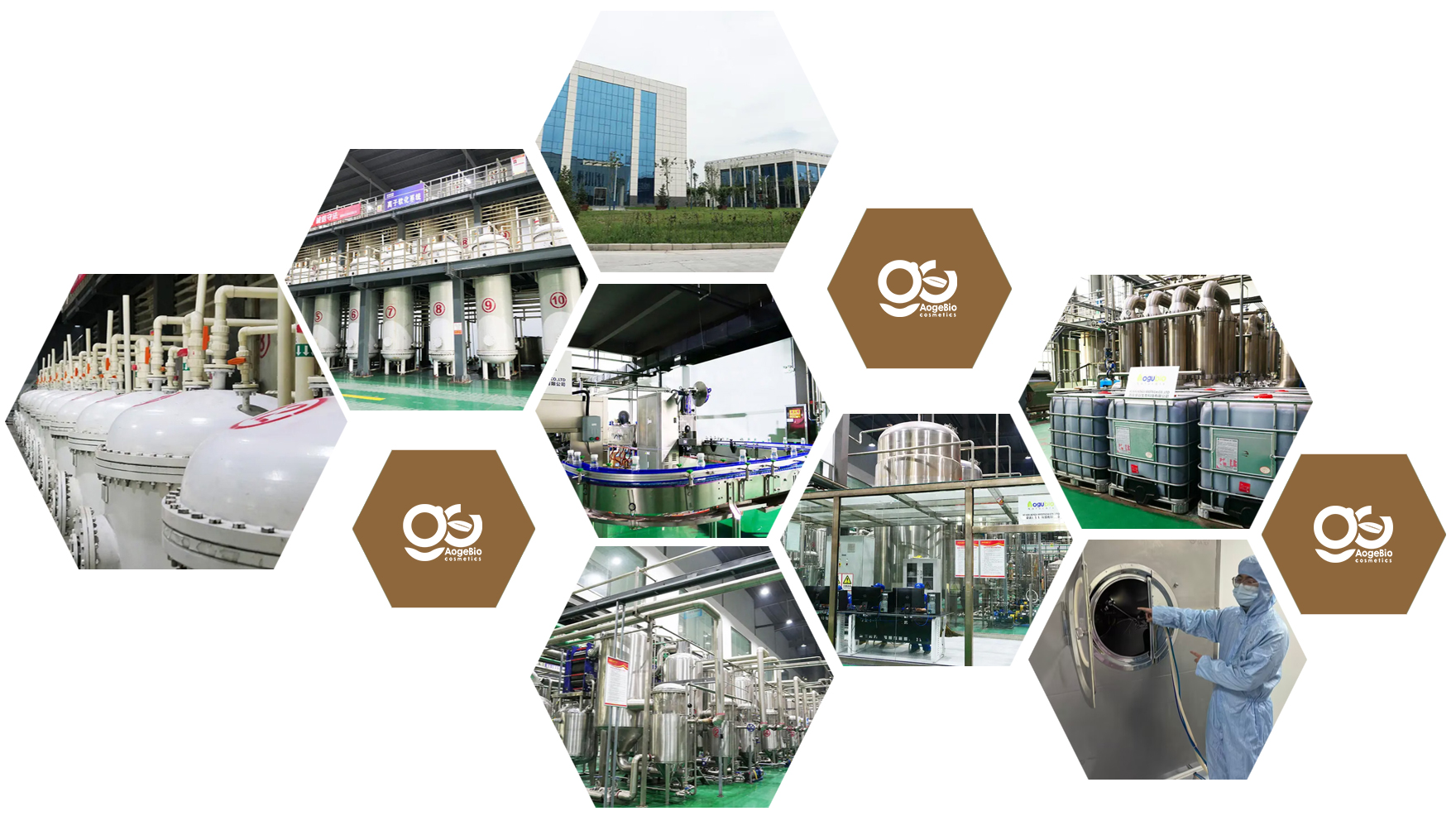
Founded in 2013 and headquartered in the prestigious high-tech zone of Xi'an, Xi'an Aoge Biotech Co., Ltd., along with its subsidiaries Xi'an Imaherb Biotech Co., Ltd. and Xi'an Nahanutri Biotech Co., Ltd., has established itself as a leading force in the cosmetics raw materials industry.

Our expansive cooperative factory, spanning 1,000 mu (approximately 165 acres), is equipped with state-of-the-art extraction technology. This advanced infrastructure allows us to manufacture a wide array of premium cosmetic raw materials. Our product line includes natural plant extracts specifically designed for organic cosmetics, as well as synthetic ingredients for high-end skincare formulations.

These raw materials serve as the foundation for a multitude of skincare, haircare, and makeup products, ensuring superior quality and efficacy throughout the entire production process.

Aogebio Manufacturing Facility Xi'an

Our Equipment & Quality Control

Our in-house laboratory is equipped with cutting-edge instruments for rigorous quality control. We utilize UPLC and HPLC for analyzing active components, GC and GC-MS for detecting solvent residues, ICP-MS for identifying heavy metals, and GC/LC-MS-MS for assessing pesticide residues. Additionally, we employ HPTLC and IR for identification purposes, ELISA for determining ORAC values, PSL for evaluating irradiation residues, and conduct comprehensive microbiology tests. These measures guarantee that our raw materials adhere to stringent international standards.
UPLC HPLC GC / GC-MS ICP-MS GC/LC-MS-MS HPTLC IR Spectroscopy ELISA / ORAC PSL Irradiation Microbiology Testing

Why Choose Us

At Aogebio, innovation, quality, and sustainability are the bedrock of our corporate philosophy.

🧪

Innovation in R&D

We pour relentless efforts into research and development, constantly exploring novel raw materials and advanced manufacturing techniques to stay ahead in the dynamic cosmetics industry.

Quality Control

Rigorous quality control is embedded in every step of our production process, from raw material sourcing to final product delivery, guaranteeing that each item adheres to the most stringent international standards.

🌱

Sustainability

We actively embrace sustainable practices, striving to minimize our environmental footprint through eco-friendly production methods and responsible sourcing throughout our entire supply chain.

🏆

Commitment to Excellence

This unwavering dedication enables us not only to consistently offer products of unparalleled excellence but also to contribute to the long-term, healthy development of the entire cosmetics industry.

Complete Alpha Arbutin & Skin Care Ingredient Portfolio

Discover our full range of premium active ingredients designed for skin care, personal care, and cosmeceutical applications.